
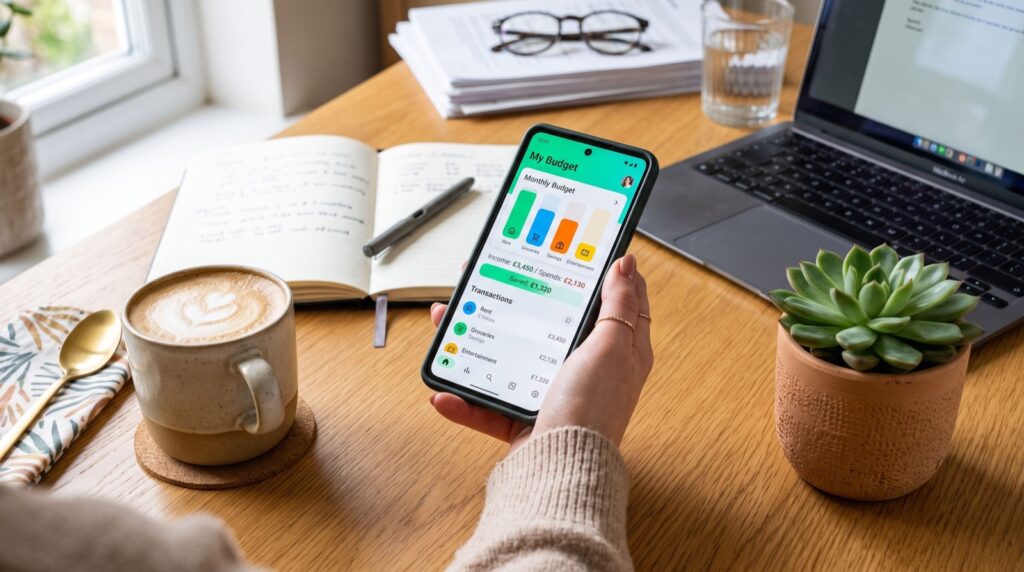
An emergency fund is the quiet foundation that makes every other money goal possible. Without one, a single car repair or medical bill turns into credit-card debt that can take years to unwind. With one, the same setback becomes a minor inconvenience. Heading into 2026, with living costs still elevated across the United States, building that cushion is arguably the highest-return move most households can make with their money.
The good news is that starting an emergency fund does not require a big salary or complicated investing. It requires a clear target, a system that runs on autopilot, and the discipline to protect the money once it is set aside. This guide lays out a step-by-step plan, plus the personal finance habits that keep your safety net growing even when your budget feels tight.
Why an emergency fund matters more than ever
Surveys continue to show that a large share of Americans could not cover an unexpected expense without borrowing. That fragility is exactly what an emergency fund solves. When cash is waiting for the surprise, you avoid high-interest debt, protect your credit score, and sleep better knowing a broken furnace will not derail your finances.
There is also a psychological payoff. People with a cash cushion make calmer, longer-term decisions because they are not living paycheck to paycheck. If you want a broader foundation of habits to pair with saving, these personal finance tips complement everything covered below and help the fund stick.
How much should you save?
The classic target is three to six months of essential expenses, but the right number depends on your situation. A dual-income household with stable jobs can lean toward three months, while a freelancer with variable income should aim for six or more. Start by calculating your bare-bones monthly cost, then multiply.
A step-by-step plan to build your fund
Building an emergency fund works best when you break it into small, automatic actions rather than one intimidating goal. Follow this sequence and the balance grows almost without effort.
- Set a starter goal of $1,000 to handle the most common small emergencies first.
- Open a separate high-yield savings account so the money is out of sight and earning interest.
- Automate a transfer on every payday, even if it is just $25 to begin.
- Funnel windfalls like tax refunds and bonuses straight into the fund.
- Increase the transfer by a few dollars each time you get a raise.
Automation is the secret ingredient. When the transfer happens before you see the money, saving stops competing with spending. Within a year, even modest weekly amounts compound into a meaningful buffer.
Where to keep your emergency money
An emergency fund should be safe, separate, and accessible within a day or two, but not so accessible that you dip into it for takeout. That rules out both a checking account and locked-up investments. The comparison below shows how common options stack up in 2026.
| Account Type | Typical Yield | Access Speed | Best For |
|---|---|---|---|
| High-yield savings | 4%–5% APY | 1–2 days | Main emergency fund |
| Money market account | 3.5%–4.5% APY | 1–2 days | Larger balances |
| Checking account | 0%–0.1% APY | Instant | Small starter buffer |
| Certificate of deposit | 4%–5% APY | Locked (penalty) | Not ideal for emergencies |
For most people a high-yield savings account wins. Your money stays liquid, remains federally insured up to the applicable limits, and quietly earns interest while it waits. Just confirm the account is protected, since the FDIC insures deposits up to $250,000 per depositor at member banks, as explained on the FDIC official website.
Habits that protect your progress
Saving the first thousand dollars is exciting; keeping the fund intact for years is the real challenge. A few guardrails prevent the slow leak that undoes so many good intentions.
- Define what counts as an emergency: a true one is urgent, necessary, and unexpected, not a sale.
- Keep it in a different bank: friction reduces impulse withdrawals.
- Replenish immediately after use: restart automatic transfers the moment you draw it down.
- Review the target yearly: as expenses rise, so should your cushion.
Balancing debt payoff and saving
A common question is whether to build savings or crush debt first. The practical answer is to do both in stages. Bank a $1,000 starter fund, then attack high-interest debt aggressively, then return to fully fund three to six months. That order stops a new emergency from pushing you back onto the credit card while you pay it down.
Using apps to accelerate the process
Technology makes saving nearly frictionless in 2026. Round-up features sweep spare change from purchases into savings, while budgeting apps highlight where your money leaks so you can redirect it. Choosing from the best money apps can automate transfers, track your progress toward the goal, and send nudges that keep motivation high.
One field-tested tip: name your savings account something like “Peace of Mind Fund” inside the app. It sounds small, but a purpose-driven label makes people far less likely to raid the balance for non-emergencies. The psychology of naming genuinely improves follow-through.
Frequently Asked Questions
How much emergency fund do I really need?
Aim for three to six months of essential living expenses. Choose the lower end if your income is stable and the higher end if you freelance or have dependents. Start with a $1,000 milestone so you have quick protection while you build toward the full amount.
Where is the best place to keep an emergency fund?
A high-yield savings account is ideal because it stays liquid, earns competitive interest, and remains FDIC-insured. Keep it at a separate bank from your checking so the money is close enough to reach in a day but far enough to resist impulse spending.
Should I invest my emergency fund?
No. Emergency money must be stable and available on short notice, so the stock market is too volatile for it. Investing is for longer-term goals. Once your cushion is fully funded, then direct additional savings toward investments.
How do I stay motivated to save?
Automate transfers so saving happens without willpower, track visible progress in an app, and give the account a meaningful name. Celebrating milestones like your first $500 or $1,000 keeps the momentum going and turns saving into a rewarding habit.
Start your safety net today
An emergency fund is the difference between weathering life’s surprises and being derailed by them. Set a clear target, automate the transfers, park the money in a safe high-yield account, and protect it with firm rules about what counts as an emergency. These personal finance habits compound quietly until, one day, an unexpected bill arrives and you barely feel it. For hands-on help setting up automated saving and choosing the right tools, connect with trusted professionals who can tailor a plan to your budget. Open that separate savings account this week and schedule your first automatic transfer.